Digital Marketing Automation for Service Businesses: Complete Guide
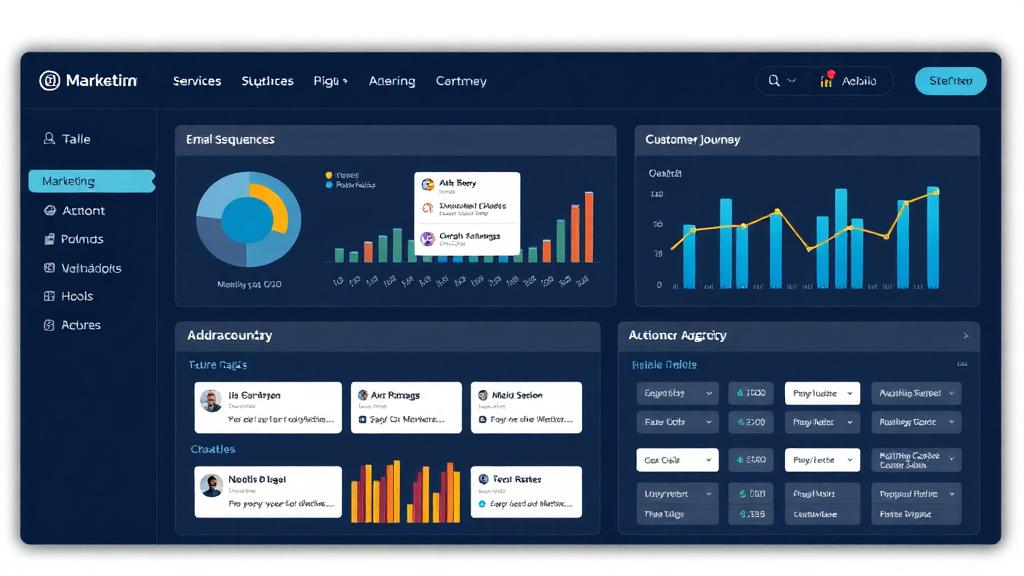
Marketing Automation Impact
Marketing automation has become essential for service businesses looking to scale efficiently. Companies using automation see dramatic improvements in lead generation, conversion rates, and customer retention while reducing manual workload and operational costs.
Core Automation Components
Lead Nurturing
- • Automated email sequences
- • Behavioral trigger campaigns
- • Lead scoring and qualification
- • Progressive profiling
- • Content personalization
- • Sales handoff automation
Customer Journey Mapping
- • Awareness stage automation
- • Consideration phase nurturing
- • Decision stage conversion
- • Onboarding sequences
- • Retention campaigns
- • Upsell and cross-sell automation
Email Marketing Automation
Email automation remains the highest ROI marketing channel, delivering an average return of $36 for every $1 spent. For service businesses, automated email sequences nurture leads through the extended decision-making process typical of high-consideration purchases.
Essential Email Automation Sequences
Welcome & Education Series
- • Day 1: Welcome and company introduction
- • Day 3: Industry expertise demonstration
- • Day 7: Client success stories
- • Day 14: Service process explanation
- • Day 21: Free consultation offer
- • Day 30: Follow-up and feedback request
Lead Nurturing Sequences
- • Problem identification and pain points
- • Solution education and benefits
- • Proof and testimonials
- • Addressing common objections
- • Competitive advantages
- • Call-to-action optimization
Behavioral Trigger Campaigns
Behavioral triggers respond to specific user actions, delivering personalized content at precisely the right moment to maximize engagement and conversion rates.
Website Behavior
- • Page visit sequences
- • Time on site thresholds
- • Download completions
- • Pricing page visits
- • Contact form abandonment
Email Engagement
- • Link click responses
- • Email open patterns
- • Subject line preferences
- • Content engagement levels
- • Unsubscribe prevention
Sales Actions
- • Consultation scheduling
- • Proposal delivery
- • Follow-up sequences
- • Decision timeline tracking
- • Win/loss analysis
Lead Scoring and Qualification
Implementing Effective Lead Scoring
Lead scoring automatically prioritizes prospects based on their likelihood to convert, allowing sales teams to focus on the highest-value opportunities while automation continues nurturing lower-scored leads.
Scoring Criteria Framework
Demographic Scoring
Behavioral Scoring
Lead Lifecycle Management
Automated lead lifecycle management ensures prospects receive appropriate content and attention based on their current stage and engagement level.
Cold Leads (0-25 points)
Educational content automation, industry insights, awareness-stage nurturing. Monthly check-ins with valuable resources.
Warm Leads (26-50 points)
Solution-focused content, case studies, service explanations. Bi-weekly personalized email sequences and consultation offers.
Hot Leads (51-75 points)
Personalized outreach, direct sales contact, proposal development. Weekly follow-ups and customized solution presentations.
Sales-Ready (76+ points)
Immediate sales team assignment, priority response protocols. Same-day contact and accelerated sales process.
Advanced Personalization Strategies
Dynamic Content Personalization
Advanced automation platforms enable dynamic content that adapts based on user behavior, demographics, and engagement history, creating highly relevant experiences for each prospect.
Content Personalization Types
- • Industry-specific case studies
- • Role-based content recommendations
- • Geographic location targeting
- • Company size appropriate solutions
- • Previous engagement history
- • Pain point-specific messaging
Implementation Tactics
- • Smart content blocks in emails
- • Dynamic website sections
- • Personalized landing pages
- • Customized download recommendations
- • Tailored product suggestions
- • Behavioral trigger sequences
Platform Selection and Integration
Choosing the Right Automation Platform
Platform selection depends on business size, technical requirements, budget, and integration needs. Here's a comparison of leading marketing automation solutions:
Enterprise Solutions ($1,000+ monthly)
HubSpot Marketing Hub
Best for: Growing service businesses
- • All-in-one CRM integration
- • Advanced reporting and analytics
- • Easy-to-use interface
- • Extensive app marketplace
Marketo Engage
Best for: Large enterprises
- • Advanced lead scoring
- • Complex workflow automation
- • Account-based marketing
- • Revenue attribution
Pardot (Salesforce)
Best for: Salesforce users
- • Native Salesforce integration
- • B2B focused features
- • Advanced email automation
- • ROI reporting
Mid-Market Solutions ($100-$500 monthly)
ActiveCampaign
Best for: Small to medium service businesses
- • Excellent automation builder
- • CRM included
- • Strong email deliverability
- • Affordable pricing
ConvertKit
Best for: Content creators and consultants
- • Simple, powerful automation
- • Creator-focused features
- • Tag-based organization
- • Landing page builder
Frequently Asked Questions
What's the best marketing automation platform for service businesses?
How long does it take to see results from marketing automation?
What ROI can I expect from marketing automation?
Related Articles
Digital Marketing ROI: How Service Businesses Measure Success
Complete guide to measuring and optimizing digital marketing ROI with key metrics, tools, and frameworks for service businesses.
Read MoreGoogle Ads for Service Businesses: Complete Setup Guide
Master Google Ads for service-based businesses with proven campaign setup, optimization techniques, and budget strategies.
Read MoreLocal SEO for Trade Businesses: Complete Ranking Guide
Dominate local search results with proven SEO strategies specifically designed for trade and service businesses.
Read More